Loopring (LRC) remains one of the more established Ethereum Layer 2 projects focused on decentralized trading, self-custody, and low-cost transfers. While the Layer 2 sector has become increasingly crowded by 2026, Loopring still holds relevance thanks to its zk-rollup architecture, Ethereum security model, and long-standing focus on non-custodial finance.
As self-custody adoption continues to grow, choosing the right wallet for storing and managing LRC matters just as much as choosing the asset itself. Some users prioritize cold storage and long-term security, while others want fast access to DeFi protocols, swaps, staking, and Ethereum applications.
Below are some of the best Loopring wallets in 2026 for securely holding, managing, and using LRC across hardware and software environments.
What is Loopring?
Loopring is an Ethereum-based Layer 2 protocol built around zk-rollup technology. The network is designed to support decentralized trading, payments, and scalable transfers while reducing Ethereum gas costs and congestion.
The ecosystem’s native token, LRC, is used for governance, protocol-related incentives, and various utility functions within the network.
One of Loopring’s biggest advantages is its ability to process transactions faster and more cheaply than Ethereum mainnet while still inheriting Ethereum’s underlying security. The protocol also supports ERC-20 assets, self-custody wallets, and Ethereum-compatible decentralized applications.
LRC is available across most major exchanges including Binance, Coinbase, Kraken, OKX, and Gate.io, and can be stored on a wide range of software and hardware wallets.
Here are the top Loopring (LRC) wallets worth considering in 2026.
1. Ledger Nano
Ledger devices continue to dominate the hardware wallet sector, especially among long-term crypto holders looking for strong offline security. Whether you choose the Ledger Nano S Plus or one of the newer Ledger devices, the core benefit stays the same: your private keys never leave the hardware wallet.
For Loopring holders managing larger portfolios or interacting with DeFi regularly, that extra security layer still matters.
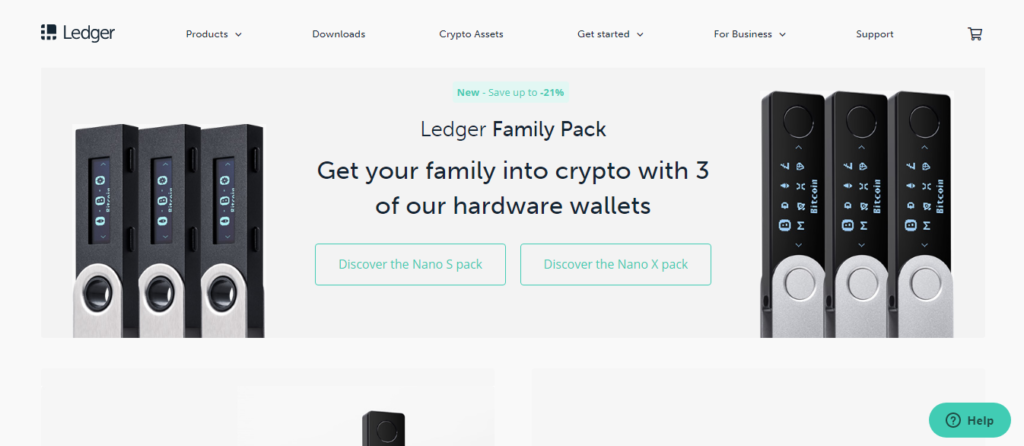
Unlike browser-based or mobile wallets that remain connected to the internet, Ledger stores sensitive credentials inside a secure element chip designed to protect against phishing attacks, malware, and unauthorized access.
The wallet supports thousands of cryptocurrencies including Ethereum, Loopring, stablecoins, NFTs, and most ERC-20 assets. Users can also connect Ledger devices to applications like MetaMask for safer Web3 access.
Ledger Live has improved considerably over the past few years as well, offering integrated buying, selling, staking, portfolio tracking, and swap functionality within a single dashboard.
If security is your top priority, Ledger remains one of the strongest options for storing LRC in 2026.
2. Ledger Nano X
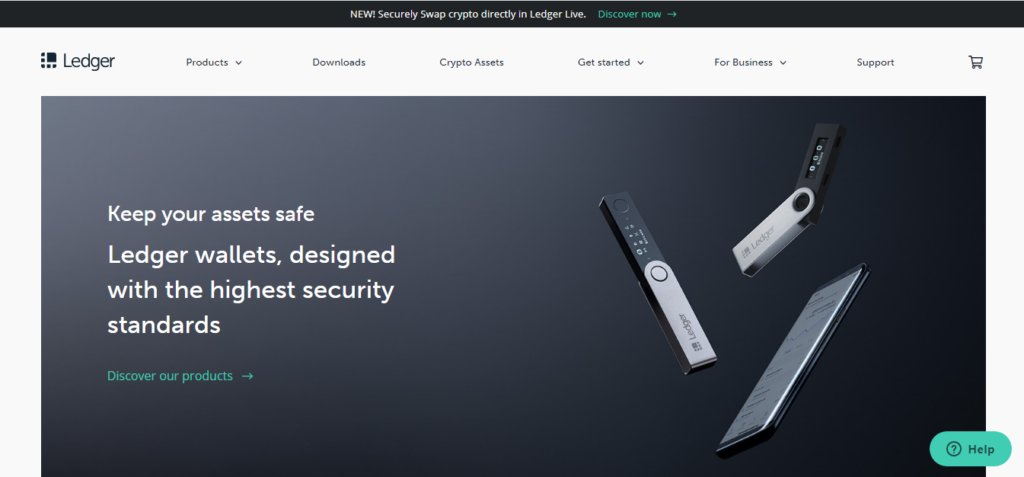
The Ledger Nano X remains a favorite among mobile-focused crypto users who still want hardware-level protection.
Its Bluetooth connectivity allows users to manage LRC and other crypto assets directly from smartphones without exposing private keys online.
Compared to older hardware wallet models, the Nano X feels far more practical for users actively moving assets between wallets, exchanges, and decentralized applications.
Support for Ethereum Layer 2 assets has also improved significantly. Loopring users can easily connect Ledger devices with MetaMask and other Web3 tools while keeping transaction approvals isolated on the hardware device itself.
Another advantage is portability. The Nano X is compact enough for travel while still offering enterprise-grade offline storage.
Although software wallets are free, many long-term investors eventually move toward hardware storage after dealing with phishing attempts, browser exploits, or wallet drainers. The Nano X addresses many of those risks without making everyday usage overly complicated.
3. Trezor One
Trezor One remains one of the most trusted names in the hardware wallet market. Developed by SatoshiLabs, the wallet has built a strong reputation through open-source firmware, transparent development practices, and reliable security.
The device supports thousands of cryptocurrencies including Ethereum-based assets like Loopring (LRC). Users can also connect Trezor with third-party applications such as MetaMask for DeFi and NFT interactions.
One reason many users still prefer the Trezor One is its simplicity. The interface is straightforward, setup is relatively quick, and the learning curve is lower compared to some advanced hardware wallet ecosystems.
It does miss a few premium features found in newer devices, including Bluetooth support and touchscreen controls. Still, for pure cold storage security, it remains highly reliable.
For users who want an affordable hardware wallet without unnecessary complexity, Trezor One continues to hold up well in 2026.
4. Trezor Model T
The Trezor Model T targets more advanced users who want additional functionality beyond the basics offered by entry-level hardware wallets.
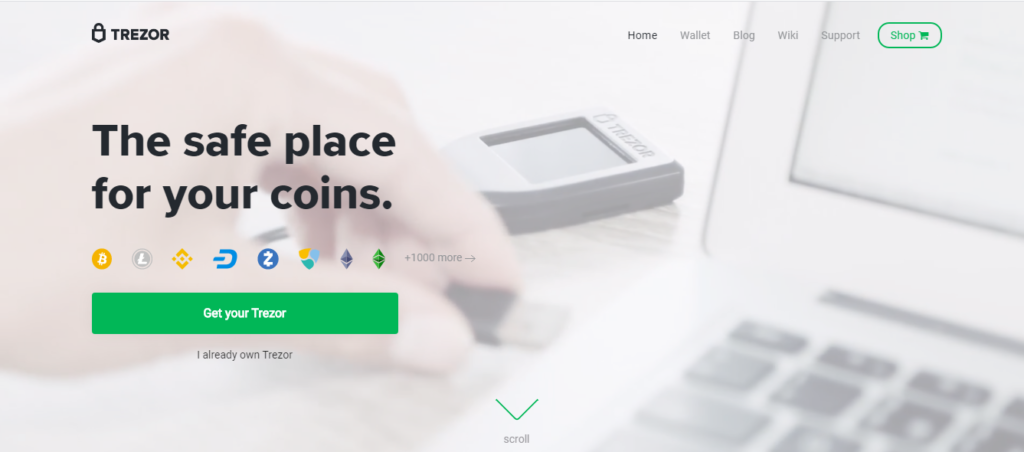
The device includes a touchscreen interface, broader asset support, and improved recovery options compared to the Trezor One.
For Loopring holders regularly interacting with Ethereum applications, the Model T provides a smoother experience when approving transactions and managing multiple wallets.
Trezor’s continued focus on open-source development also appeals to users who prefer transparency over closed security systems.
The price tag is noticeably higher than standard hardware wallets, but many experienced crypto investors consider the added usability and premium design worth paying for.
5. Atomic Wallet
Atomic Wallet remains a practical option for users who want broad cryptocurrency support inside a simple desktop and mobile interface.
The wallet supports hundreds of digital assets including Loopring (LRC), Ethereum, Bitcoin, Solana, and many popular ERC-20 tokens.
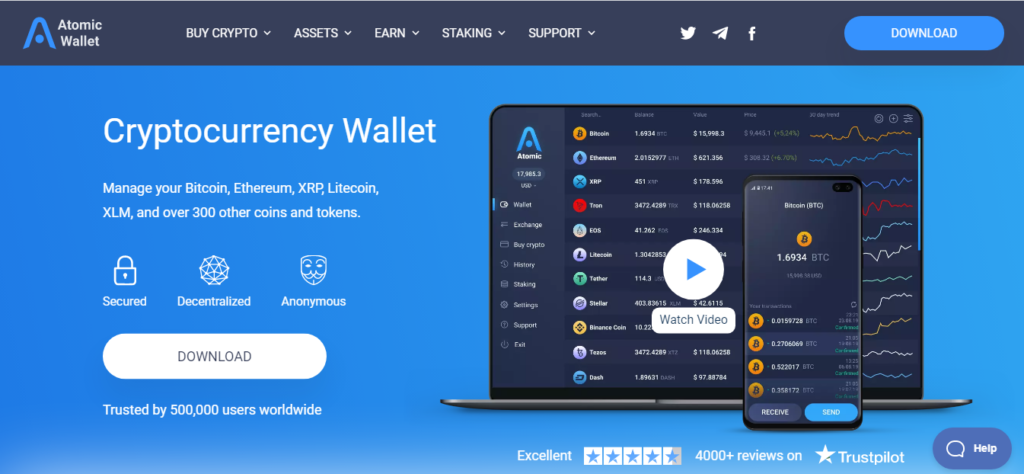
Atomic Wallet is available across Windows, macOS, Linux, Android, and iOS, making it accessible for users managing crypto across multiple devices.
The built-in swap functionality is one of its stronger features, allowing users to exchange supported assets without leaving the application.
Unlike custodial exchange wallets, Atomic gives users full ownership of their private keys and recovery phrase. That makes it a more suitable option for users who want direct control over their funds without relying entirely on centralized platforms.
The interface is beginner-friendly, clean, and easier to navigate than many advanced Web3 wallets currently on the market.
6. Trust Wallet
Backed by Binance, Trust Wallet has evolved into one of the largest mobile crypto wallets in the industry.
The app supports Ethereum, Loopring, Bitcoin, Solana, BNB Chain, Polygon, and dozens of additional blockchain networks from a single mobile interface.
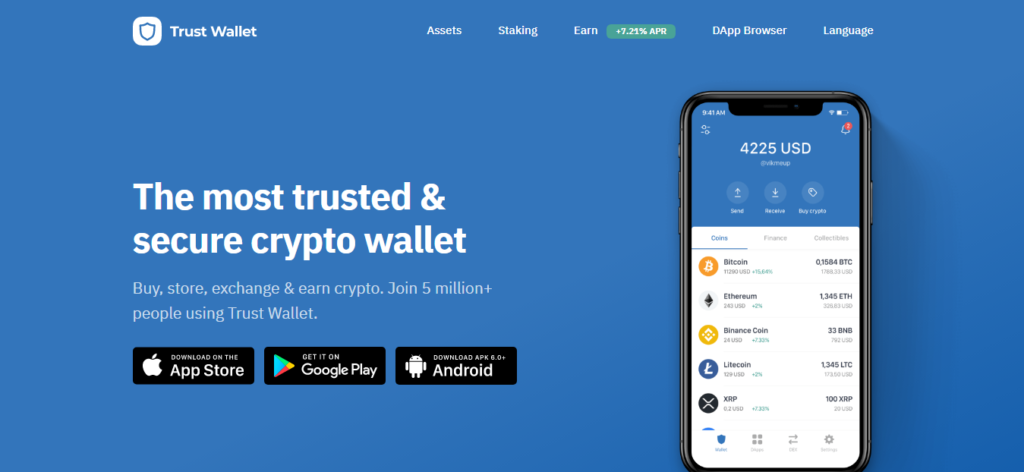
Trust Wallet has become particularly popular among users entering DeFi and Web3 for the first time because of its simple setup process and clean user experience.
The wallet also includes a built-in browser for decentralized applications, making it easier to connect with staking platforms, NFT marketplaces, and Ethereum-based protocols.
Unlike centralized exchange wallets, Trust Wallet gives users full control over their recovery phrase and private keys.
For users who mainly manage crypto through smartphones, Trust Wallet remains one of the easiest ways to store and access LRC on the go.
7. Exodus
Exodus continues to stand out because of its polished design and beginner-friendly experience.
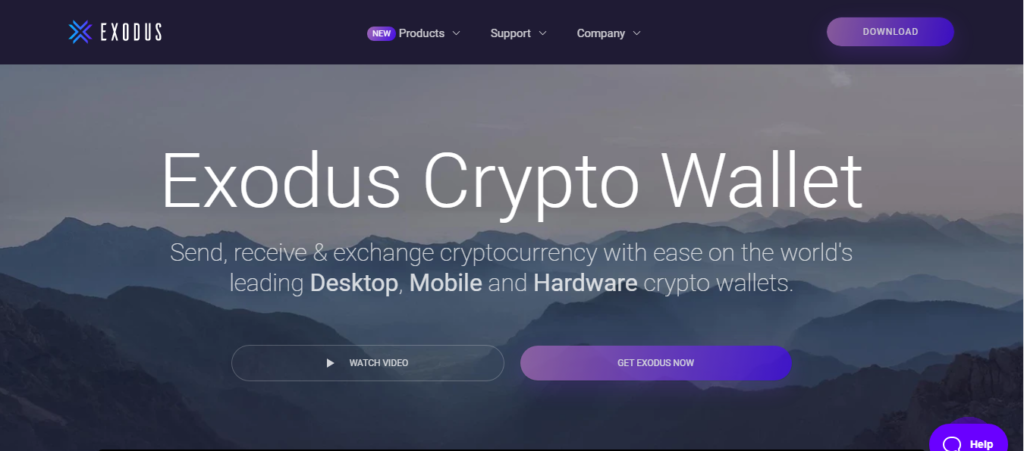
While many wallets focus heavily on technical users, Exodus keeps things visually clean and straightforward. Portfolio tracking, token management, and asset swaps are all integrated into a highly accessible interface.
The wallet supports hundreds of cryptocurrencies including Loopring, Ethereum, Bitcoin, Solana, and various ERC-20 assets.
One feature many users appreciate is the built-in exchange system, which allows fast crypto swaps without leaving the wallet.
Exodus also integrates with Trezor hardware wallets, allowing users to combine the convenience of software wallets with cold storage security.
Customer support is another area where Exodus performs better than many competitors. The platform offers detailed tutorials, documentation, and direct support channels for users needing assistance.
8. MetaMask
Few wallets have had a bigger impact on Ethereum adoption than MetaMask.
Originally launched as a browser extension wallet, MetaMask has expanded into mobile applications and deeper Web3 integrations across Ethereum and Layer 2 ecosystems.
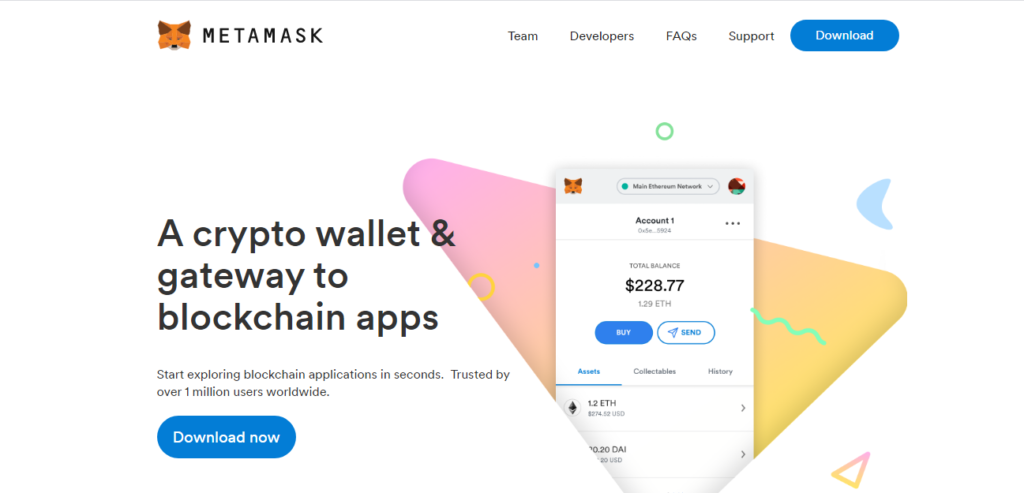
Loopring holders frequently use MetaMask because it provides direct access to decentralized exchanges, staking platforms, NFT marketplaces, and Ethereum-based decentralized applications.
The wallet supports custom networks, Layer 2 integrations, and hardware wallet connectivity, making it one of the most flexible crypto wallets available today.
MetaMask remains open-source and free to use. Security has also improved over the years with phishing detection, wallet permission management, and hardware wallet support.
That said, users still need to be cautious when connecting to unknown applications or approving suspicious smart contracts, especially in DeFi environments.
For active crypto users regularly interacting with Ethereum applications, MetaMask remains almost essential.
9. Coinomi
Coinomi has remained active in the crypto wallet sector for years and still maintains a loyal user base thanks to its broad asset support and privacy-focused approach.
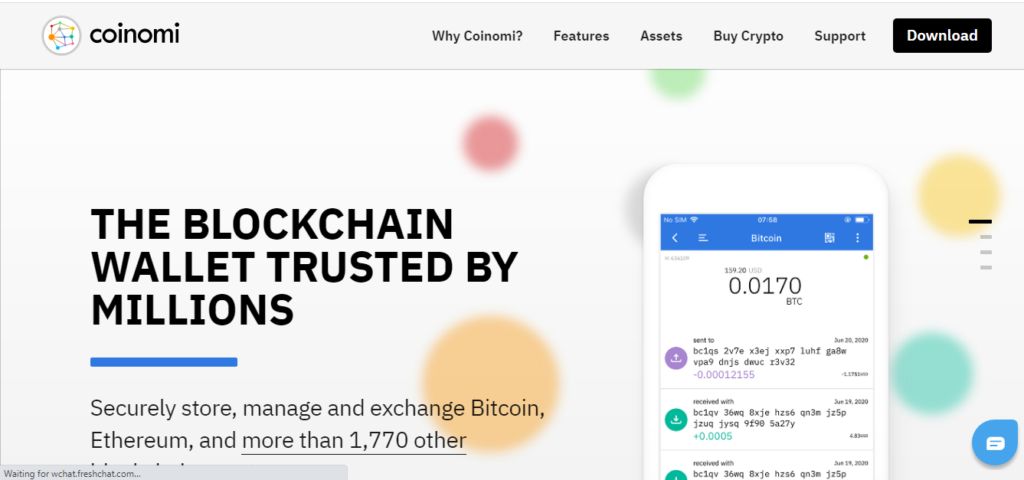
The wallet supports hundreds of cryptocurrencies and tokens including Loopring (LRC), Ethereum assets, Bitcoin, and multiple blockchain ecosystems.
Coinomi is available across desktop and mobile devices, allowing users to manage assets from almost anywhere.
The wallet also integrates crypto swap functionality directly into the application, making portfolio management more convenient for users holding multiple assets.
Security remains one of Coinomi’s stronger selling points. Private keys stay encrypted on the user’s device, and the wallet has maintained a relatively solid reputation within the industry over the years.
For users looking for a multi-chain wallet with a longer operating history, Coinomi still deserves consideration in 2026.
10. ImToken
ImToken has continued expanding its reach beyond Asia and remains one of the better-known mobile wallets for Ethereum and ERC-20 assets.
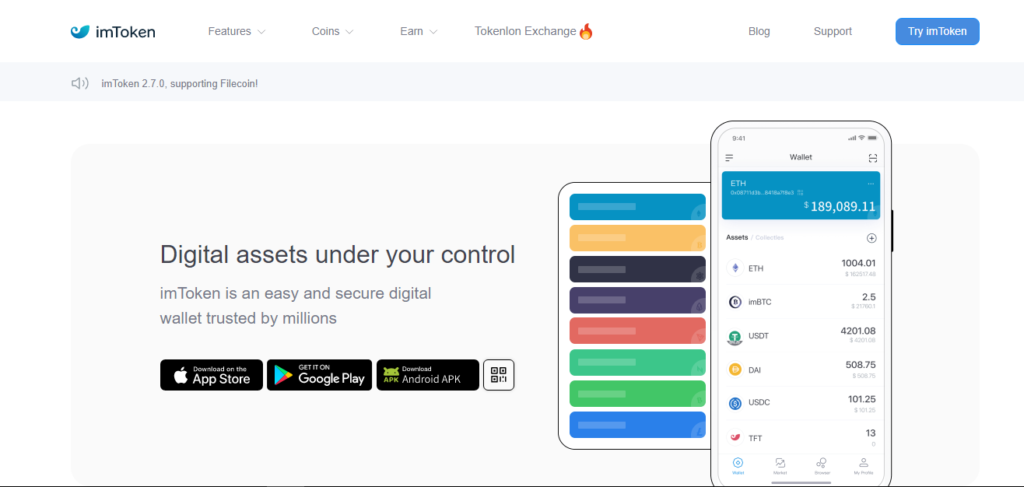
The wallet supports Loopring (LRC), Ethereum, Bitcoin, stablecoins, and several major blockchain ecosystems through a single interface.
ImToken includes integrated token swaps, staking functionality, and decentralized application support, making it suitable for users actively participating in Web3 and DeFi.
The app is available on both Android and iOS and offers compatibility with hardware wallets including Ledger and Trezor devices.
Its interface is modern, responsive, and relatively easy to navigate even for less experienced crypto users.
For mobile-first investors who regularly interact with Ethereum applications and decentralized finance tools, ImToken remains a strong option.
FAQs About Loopring
Why Loopring?
Loopring remains relevant because it combines Ethereum-level security with faster and lower-cost transactions through zk-rollup technology.
While competition from other Layer 2 networks has increased significantly, Loopring still appeals to users focused on decentralized trading, self-custody, and Ethereum-native scalability.
The protocol’s long operating history and continued infrastructure development also help separate it from short-lived crypto projects that disappear after market cycles cool down.
Where to Buy Loopring?
Loopring (LRC) is available on most major cryptocurrency exchanges including Binance, Coinbase, Kraken, OKX, Gate.io, and several decentralized trading platforms.
To buy LRC, users typically need to create an account, complete identity verification if required, deposit funds, and place an order through the exchange interface.
After purchasing, many investors prefer transferring their LRC to self-custody wallets rather than leaving funds on centralized exchanges long term.
Final Thoughts
Loopring continues to hold a place within Ethereum’s Layer 2 ecosystem thanks to its focus on scalability, self-custody, and decentralized trading infrastructure.
The right wallet ultimately depends on how you plan to use your LRC. Hardware wallets like Ledger and Trezor remain the strongest choice for long-term storage and maximum security, while software wallets such as MetaMask, Trust Wallet, and Exodus offer more flexibility for active DeFi users.
Whichever wallet you choose, securing your recovery phrase and using proper security practices remain just as important as the wallet itself.
If you have experience using any of these Loopring wallets, feel free to share your thoughts and feedback below.